How to Wash Embroidered Apparel Without Damage
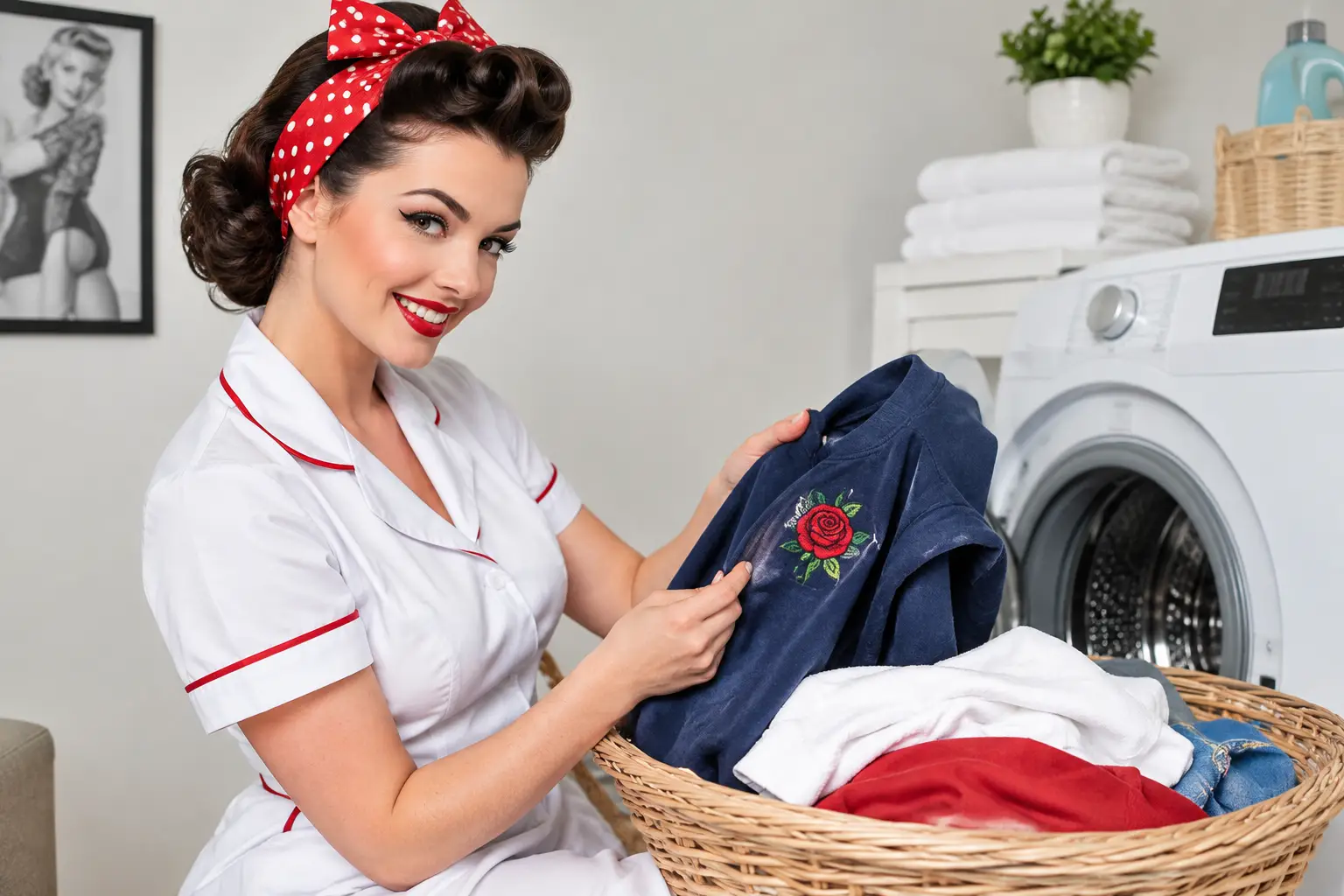
Learn how to wash embroidered apparel with confidence. Protect thread color, backing, and garment shape from clinic workwear to favorite off-shift layers.
A well-made embroidered jacket, polo, or vest should look polished long after the first wear. The key is treating the stitching as part of the garment, not as an indestructible add-on. If you are wondering how to wash embroidered apparel, the short answer is simple: use cold water, mild detergent, a gentle cycle, and low heat. The details, however, are what keep thread crisp, colors true, and professional apparel ready for the next shift.
Embroidery is durable by design. It is built to handle real work, whether that means a clinic jacket worn between exam rooms, a barn vest exposed to dust and movement, or a favorite hoodie that sees more coffee runs than laundry days. Still, heat, friction, bleach, and careless handling can shorten its life.
Start With the Care Label
The garment's care label gets the final word. A heavyweight cotton hoodie, moisture-wicking performance polo, fleece vest, and insulated work jacket do not all belong in the same wash routine. The fabric, trim, waterproof coating, and type of backing behind the embroidery may each require slightly different care.
If the label calls for hand washing, dry cleaning, or a specific water temperature, follow it. This is especially true for specialty outerwear, garments with reflective details, delicate knits, and pieces with a water-resistant finish. For most embroidered cotton, cotton-blend, polyester, and fleece apparel, cold water and a gentle cycle are the safe default.
Before washing, take a quick look at the embroidery itself. Loose threads, lifted edges, or snagged stitching are best addressed before the garment goes into a machine. Do not pull on a loose thread. Clip only the excess tail with small, sharp scissors if it is clearly separate from the design. If you are unsure, leave it alone and have the piece evaluated by an embroidery professional.
How to Wash Embroidered Apparel Step by Step
Turn the garment inside out before it goes into the washer. This small move reduces direct rubbing against the drum, zippers, buttons, and other garments. It also protects raised lettering, fine details, and thread sheen from unnecessary abrasion.
Wash embroidered apparel in cold water with a mild liquid detergent. Cold water helps preserve fabric color and limits the chance of thread colors bleeding or fading. Liquid detergent is generally preferable because powder can leave residue in dense stitching, particularly on darker garments or detailed logos.
Choose the delicate, gentle, or permanent-press setting when available. A normal cycle can work for durable uniforms, but gentle agitation is the better long-term choice for garments with embroidered names, credentials, departments, or logos. It keeps the apparel clean without asking the stitches to survive a wrestling match with a load of towels.
Wash similar colors together and keep embroidered pieces away from rough laundry partners. Jeans, garments with exposed zippers, hook-and-loop closures, and heavily soiled workwear can catch or rub against embroidery. If you must wash a jacket or polo with other items, close zippers, fasten buttons, and avoid overpacking the machine. Clothes need room to move without grinding together.
For an especially detailed item, a mesh laundry bag adds another layer of protection. It is not mandatory for every embroidered polo, but it is useful for smaller garments, delicate fabrics, or pieces with dense embroidery across the chest, sleeve, or back.
Skip Bleach and Aggressive Stain Treatments
Bleach is one of the fastest ways to dull embroidery thread, weaken fabric, and create uneven color changes around a logo. Even color-safe bleach should be used cautiously and only when the garment label permits it. If a white uniform or jacket needs brightening, choose a non-chlorine product designed for the fabric and test it on a hidden area first.
For stains, treat the fabric around the embroidery rather than soaking the stitched area in a strong product. Apply a mild stain remover with a clean cloth or soft brush, working gently from the outside of the stain inward. Let the product sit only as long as its instructions allow, then wash promptly.
Oil-based stains, makeup, ink, and disinfectant residue may need different treatment methods. When a stain lands directly on embroidery, avoid scrubbing. The goal is to lift the stain without roughing up the thread or pushing product into the backing underneath.
Drying Is Where Good Habits Matter Most
Air drying is the safest option for embroidered apparel. Lay the garment flat on a clean towel or hang it on a sturdy hanger in a well-ventilated space, away from direct sunlight. Direct sun can fade both fabric and thread over time, especially on dark navy, black, red, and brightly colored pieces.
If you use a dryer, turn the item inside out and select low heat or air dry. Remove it while it is still slightly damp, then hang or lay it flat to finish drying. High heat can shrink cotton, distort synthetic fibers, loosen adhesives used in some garment construction, and make embroidery feel stiff or puckered.
This matters even more with custom workwear. A clean, sharp logo signals care before a patient, client, parent, or customer hears a word. A jacket with flattened stitching and a shrunken body tells a different story, even if the work being done inside it is excellent.
Iron Carefully, Never Directly on the Stitching
Embroidery can be ironed, but the iron should not touch the design directly. High direct heat can flatten threads, create a shine on polyester embroidery, or leave an impression from the stitching on the fabric surface.
Turn the garment inside out and iron from the back on the lowest heat appropriate for the fabric. Place a pressing cloth between the iron and garment for additional protection. If you need to smooth the front, lay a clean pressing cloth over the embroidery and use light pressure. Steam can help with wrinkles, but do not saturate the embroidered area.
For fleece, performance apparel, and heat-sensitive fabrics, a steamer held several inches away is often safer than an iron. Check the care label first. Some technical materials do not tolerate high heat at all.
Hand Washing Is Worth It for Select Pieces
Machine washing is appropriate for most professionally embroidered apparel, but certain garments benefit from hand washing. Choose this route for delicate sweaters, lightweight fashion fabrics, vintage pieces, or anything with intricate embroidery paired with fragile trim.
Fill a clean basin with cold water and add a small amount of mild detergent. Submerge the garment and gently move it through the water. Do not twist, wring, or scrub the embroidered area. Rinse thoroughly in cold water, then press out excess water by rolling the garment inside a clean towel. Finish by laying it flat to dry.
Hand washing takes a few extra minutes, but it is a sensible trade-off when replacement is difficult or the garment carries a logo, credential, or design you want looking precise for years.
Store Embroidered Pieces With the Same Care
Clean apparel lasts longer than apparel stored after a hard day. Body oils, fragrance, sunscreen, and spills can set into fabric and eventually affect thread color or texture. Wash items before long-term storage, especially jackets and seasonal layers.
Store polos, tees, and lightweight garments folded in a clean, dry drawer or shelf. Hang structured jackets, vests, and outerwear on quality hangers that support the shoulders. Keep embroidered apparel away from prolonged humidity, which can encourage mildew, and avoid cramming it under heavy garments that may flatten raised stitching.
For team apparel, it helps to treat care as part of the uniform standard. A consistent wash routine keeps names, logos, and colors looking unified across the staff. That polished finish is why premium custom embroidery works so well in healthcare, hospitality, schools, barns, offices, and the trades: it gives everyday clothing a clear professional purpose.
When the Rules Change
Not every stain, fabric, or garment calls for the same routine. If an embroidered item is contaminated in a clinical, EMS, veterinary, or trade setting, follow your workplace's laundering and infection-control requirements first. In some cases, the sanitation standard may call for warmer water or commercial laundering. When that happens, follow the required protocol while minimizing drying heat and avoiding harsh products whenever possible.
Likewise, rain jackets, insulated outerwear, and performance layers may need specialty detergents to maintain their finish. Regular detergent or fabric softener can compromise moisture-wicking or water-repellent performance. The embroidery may be durable, but the garment construction still deserves the right care.
A little discipline at laundry time keeps embroidered apparel looking intentional rather than merely worn. Turn it inside out, wash it cool, keep the heat low, and let the stitching retain the pride it was made to carry.