Embroidered Work Shirts for Trades That Last
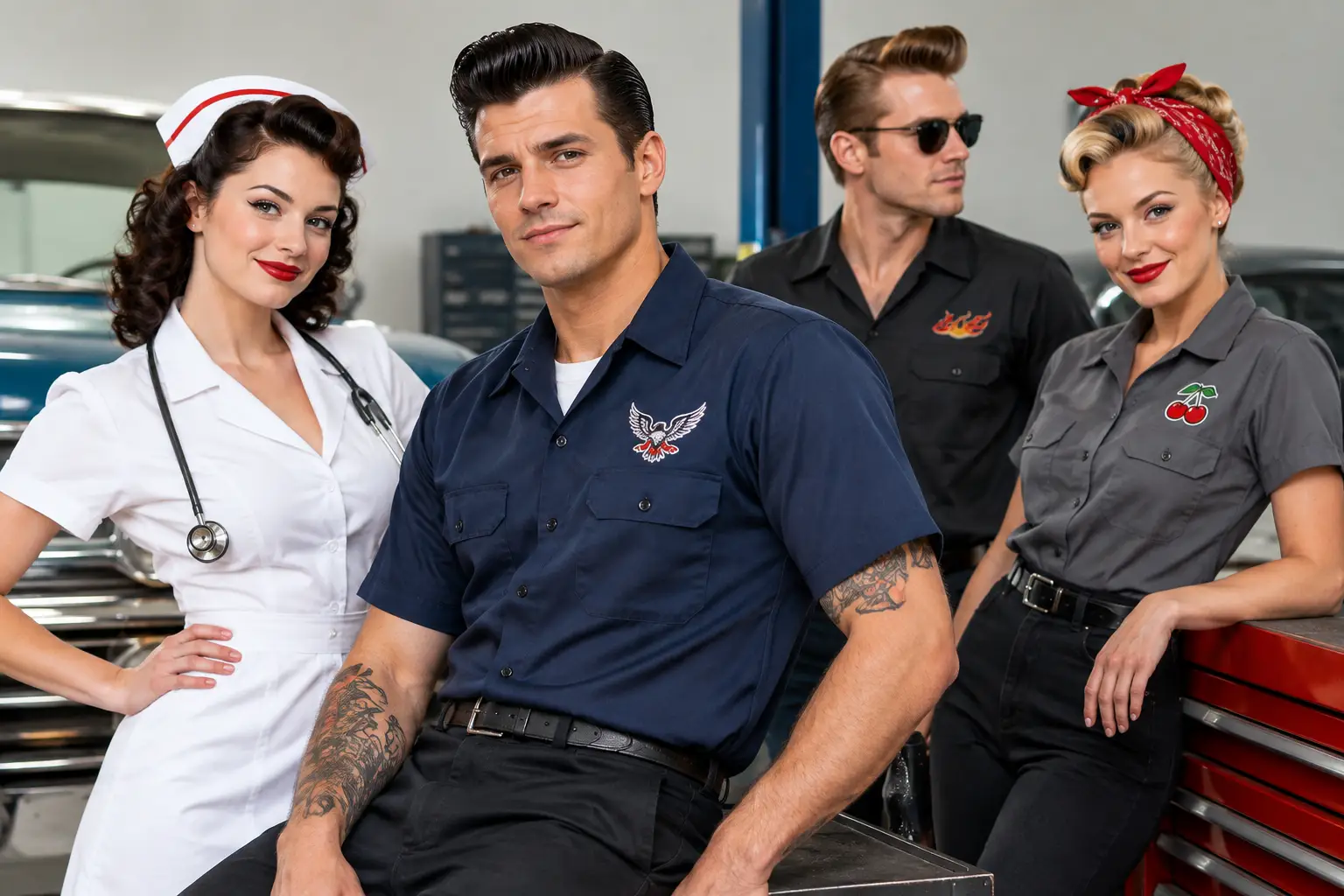
Choose embroidered work shirts for trades that look professional, withstand demanding jobs, and keep your crew's brand visible through every shift daily.
A shirt gets judged before the handshake. When your crew arrives at a job site, walks into a customer’s home, or meets a project manager, embroidered work shirts for trades make the first impression clear: this is an organized team that takes its work seriously. The right shirt does more than carry a logo. It has to stay comfortable through heat, movement, dust, weather, and repeat washing while representing the standard behind the work.
Why Embroidery Earns Its Place on Trade Apparel
Tradespeople need apparel that works as hard as they do. A temporary vinyl graphic may be fine for a one-day event, but daily workwear needs a finish built for regular use. Quality embroidery puts thread directly into the garment, creating a clean, dimensional mark that stands up to the routine demands of the job.
That durability matters, but so does credibility. Customers often do not know the technical difference between a licensed electrician, a skilled HVAC technician, or a well-established landscaping crew until someone explains it. A coordinated uniform helps communicate professionalism before the work begins. A stitched company logo, employee name, or role gives clients a clear point of contact and gives the team a more consistent presence.
Embroidery is not automatically the best choice for every garment or design. Large, highly detailed artwork can become stiff or lose fine detail when stitched at a small size. In those cases, simplifying the logo, adjusting its placement, or pairing embroidery with another decoration method may make better sense. For classic left-chest logos, names, and short service identifiers, however, custom embroidery remains a premium standard.
Choose the Shirt for the Work, Not Just the Logo
A sharp logo cannot rescue a shirt that is too hot, too thin, or uncomfortable across the shoulders. Before selecting colors and thread, consider what the crew actually does in it.
For indoor service calls, trade shows, estimates, and client-facing appointments, a moisture-wicking polo creates a polished appearance without feeling overly formal. It works well for HVAC companies, electricians, plumbing teams, inspectors, property maintenance groups, and office-to-field staff. A structured collar keeps the shirt looking composed even after a long day of movement.
For crews working outdoors or in unfinished spaces, performance tees, work shirts, and lightweight long sleeves may be the better call. Fabric weight, breathability, sun protection, and ease of layering matter more when a team works through changing temperatures. Long sleeves can also provide practical coverage for landscaping, construction support, painting, and other outdoor-facing roles.
Button-front work shirts bring a more traditional utility look and can be a strong fit for mechanics, fabrication shops, ranch operations, and industrial crews. They offer a durable canvas for embroidery and often read as purpose-built rather than promotional. The trade-off is that they may feel less flexible than a performance knit, especially in high heat.
Fit deserves the same attention. A uniform should not restrict a technician reaching overhead, bending under a sink, or loading equipment. At the same time, sizing too far up to create room can make the crew look untidy. Review garment measurements, account for layers where needed, and offer a practical size range. A professional uniform should accommodate the professional wearing it.
What to Embroider on a Work Shirt
The strongest trade uniforms are clear at a glance. They do not try to fit a billboard on a left chest. Usually, the company logo belongs on the left chest, where it remains visible during a conversation without overwhelming the garment.
A name on the opposite chest or beneath the logo can add a personal, accountable touch. It is especially useful for technicians who enter homes, work around families, or interact directly with customers. When a customer knows who is at the door, the experience feels more professional and more secure.
Depending on the business, a short role identifier can also help: Technician, Foreman, Licensed Electrician, Service Manager, or Crew Lead. Keep it restrained. Credentials and titles should be easy to read, not crowded into a block of thread.
For larger branding, a back logo can work well on tees, long sleeves, and outerwear. It depends on the design and the setting. A large back embroidery can add weight and cost, particularly on lighter garments. For some teams, a clean embroidered chest logo paired with a simplified printed back mark is the more practical choice. The goal is not to use every available placement. The goal is to make the garment look intentional.
Color Choices That Stay Professional on the Job
Color is part of the uniform system, not an afterthought. Navy, charcoal, black, gray, and workwear blue remain popular for good reason: they hide everyday grime better than light colors and give embroidery a strong visual base. They also make it easier to build a consistent appearance across polos, tees, jackets, and vests.
That said, the best color depends on the environment. Landscaping and construction teams may benefit from brighter garments or high-visibility layers where safety requirements call for them. Painters may prefer lighter shirts, while automotive and field-service teams often favor darker shades. A dental or medical-adjacent service business may want a cleaner, more elevated palette that mirrors its customer space.
Thread should support the logo, not fight the shirt. High contrast is usually the safest choice for readability, but not every logo needs stark white thread. Tonal embroidery can look refined on premium outerwear or management polos, although it is less visible from a distance. A good uniform program often uses one practical, high-visibility version for field apparel and a more subtle version for office-facing pieces.
Build a Uniform Program, Not a One-Time Order
Ordering shirts one employee at a time can create a familiar problem: five different garment shades, two versions of the logo, and a team that looks assembled rather than outfitted. Planning the initial order as a uniform program keeps the visual standard intact as the company grows.
Start with a small core collection. For many trade businesses, that means a short-sleeve polo or work shirt for client-facing days, a performance tee for field work, and a layering piece such as a vest or jacket for colder weather. Keeping logo size, placement, and thread colors consistent across those garments creates a recognizable identity without making every piece identical.
It also helps to decide in advance who receives what. Office staff, sales representatives, estimators, technicians, installers, and crew leads may need different garments, but they should still look like one company. This is where embroidery provides real value. Names, roles, departments, and credentials can be customized while the overall presentation stays consistent.
At Corazón De Oro Apparel, the custom embroidery approach is built around that finished, professional result: garments chosen for the job, details visible before ordering, and stitching that supports the company behind the uniform.
Details That Affect the Finished Shirt
The difference between average branded apparel and a uniform people are proud to wear often comes down to preparation. Before placing an order, confirm four essentials:
- The logo file is clean, high resolution, and suitable for conversion into embroidery.
- The selected garment fabric can support the logo size and stitch density without puckering.
- Placement is consistent across sizes and garment types.
- Names, titles, spelling, and thread colors have been reviewed before production.
A logo designed for a website or vehicle wrap may need adjustment for thread. Fine lines, tiny lettering, color gradients, and intricate shading do not always translate at chest-logo scale. That is not a limitation to ignore. It is a reason to use a digitized embroidery version designed to read clearly in the real world.
Also consider how garments will be washed. Trade shirts see sweat, dirt, chemicals, and frequent laundering. Following the garment care instructions protects both the fabric and the embroidery. Teams that need a truly uniform look should also maintain a simple reorder standard, using the same approved logo, garment family, and thread colors whenever new staff come aboard.
Embroidered Work Shirts for Trades Build Trust
A uniform will not replace skilled work, punctuality, or good communication. It does reinforce all three. When a crew arrives in clean, coordinated apparel, customers see a business that has invested in its people and its reputation. That can make a difference when the work is technical, the project is expensive, or the customer is letting someone into their home.
The best embroidered work shirts for trades balance appearance with reality. They should be durable enough for the field, comfortable enough for a full shift, and polished enough for the first conversation. Choose garments your team will willingly wear, keep the embroidery clear and consistent, and let the finished uniform reflect the care you bring to every job.