Ordering Staff Outerwear Without the Guesswork
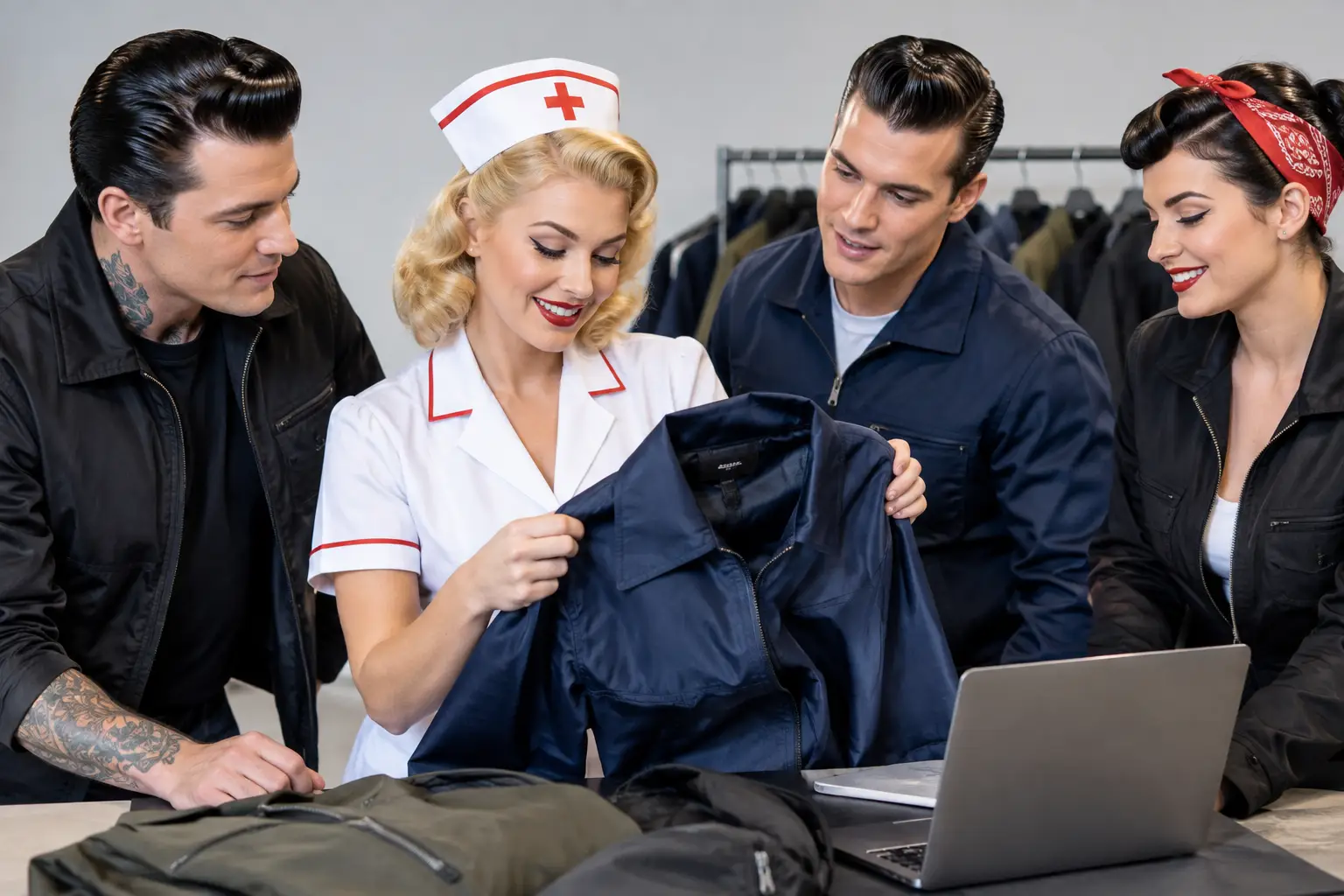
Ordering staff outerwear is easier when garment choice, embroidery, sizing, and budgets are decided early. Build a team layer people are proud to wear.
A team jacket should not become the item everyone leaves in the break room. Ordering staff outerwear is a practical decision about warmth, durability, presentation, and budget, but it is also a visible statement about the standard your team keeps. The right embroidered layer works on the clinic floor, at a job site, during a barn call, or on the way into a client meeting without looking like leftover promotional merchandise.
For a medical practice, school, service company, or equestrian team, outerwear earns its place when people genuinely choose to wear it. That means making a few decisions before logos, names, and size runs enter the conversation.
Start ordering staff outerwear with the actual job
“Jacket” is not a complete specification. Before selecting a garment, think through when and where your staff will wear it. A front-office team moving between climate-controlled rooms needs something different from EMS personnel stepping outside at 2 a.m. A veterinary practice may need a layer that handles hair and frequent washing. A construction crew may prioritize mobility, warmth, and fabric that can take daily wear.
Begin with the environment. Consider indoor versus outdoor use, seasonal temperatures, physical activity, laundering frequency, and whether the garment needs to fit comfortably over scrubs, uniforms, or a polo. These questions prevent the classic outcome: a handsome jacket that fits the logo brief but does not fit the work.
Vests are often the practical middle ground for teams that need core warmth without restricted arm movement. Soft shells offer a clean, professional profile and light weather resistance. Fleece layers are approachable and warm, especially for offices and clinical settings. Heavier work jackets make sense when exposure to wind, cold, and outdoor conditions is part of the shift.
There is a trade-off in every choice. A lighter layer is easier to wear year-round but may not do enough in cold weather. A more technical jacket can be highly useful outdoors but may cost more and feel too substantial for an indoor team. Choose for the most common use case, not the most extreme day of the year.
Choose a garment people will wear after the photo
A coordinated team looks polished, but forced uniformity can create waste. Staff members vary in body shape, commute, temperature preference, and role. If your order allows it, offering a matching jacket and vest option can preserve a cohesive appearance while giving people a choice they will use.
Fit matters as much as fabric. Review the size chart before placing the order, and do not assume a familiar size in one brand translates directly to another. If possible, have staff try samples or compare a favorite existing garment to the measurements. A few minutes spent collecting accurate sizes is less expensive than replacing a stack of unworn pieces.
Color should support your identity and the realities of the workplace. Black, charcoal, navy, and deep gray tend to look professional, coordinate with most uniforms, and hide everyday wear well. Brighter colors can work beautifully for schools, teams, and departments that need fast recognition, but consider how thread color and logo details will read from a few feet away.
Premium outerwear does not need to be flashy. It needs to hold its shape, feel good on a long shift, and continue representing the team well after repeated wear.
Think about care before you commit
Care instructions are easy to overlook until the first wash cycle. Ask whether the garment will be machine washed, how often, and by whom. Healthcare, veterinary, hospitality, and trades teams may need easy-care materials that do not demand special handling.
Embroidered apparel is designed for work, but following garment care guidance helps preserve both the fabric and stitching. If staff are expected to maintain their own outerwear, simple care is a real part of adoption. The best-looking garment on order day is not automatically the best garment six months later.
Make custom embroidery legible and intentional
Custom embroidery should look like part of the garment, not an afterthought placed wherever there was room. The left chest is the standard location for a company or practice logo because it is visible in conversation and works across jackets, vests, and polos. It also leaves room for a name, credential, or department when that information serves the role.
For healthcare teams, credentials should be accurate, consistently formatted, and appropriate to the setting. A name and role can make patients feel more at ease, particularly in specialty offices or care environments where staff introductions happen quickly. For trades and service teams, a company logo and employee name can support trust at the front door.
Keep the hierarchy clear. A logo, name, credential, department, and tagline may all matter, but forcing every element onto one chest placement can make the finished piece hard to read. Often, the strongest result is a well-sized logo on the front with a larger mark or department identifier on the back when the garment and use case call for it.
Thread color deserves the same attention as the garment color. High contrast improves visibility, while tonal embroidery can look restrained and elevated. Neither approach is automatically better. Tonal stitching suits a premium, understated office look; contrast is often smarter when quick identification matters.
Before approving a design, check spelling, credential punctuation, capitalization, and logo version. One incorrect letter becomes a very expensive letter once it is stitched forty times.
Build the order around a realistic size run and budget
Team outerwear orders are rarely just a single quantity multiplied by a listed price. The final budget can depend on garment style, embroidery locations, stitch complexity, personalization, and the number of pieces ordered. Set the budget range early, then decide what cannot be compromised: warmth, brand presentation, employee names, or a particular garment category.
Ordering for a team also calls for a little planning beyond the current headcount. New hires, seasonal staff, and replacement needs are normal. If consistency matters, ordering a small number of extras in common sizes can be useful, especially when the same style and color may not remain available indefinitely.
That does not mean buying excess inventory without a plan. For a smaller office with low turnover, an exact order may be the sensible move. For a growing practice, busy barn, or field-service team, a few carefully chosen extras can save time later and keep new employees from looking like they joined a different company.
Create one clean roster before submitting the order. Include each person’s name as it should appear, credentials or department if applicable, garment style, color, size, and embroidery details. This gives the decision-maker a final checkpoint and reduces back-and-forth once production begins.
Give staff one clear standard
Outerwear can be provided as part of a uniform program, offered at a subsidized price, or made available as an optional team purchase. Each model can work. What matters is that staff understand what is expected: when it should be worn, whether it is reserved for work, and how names or credentials will be handled.
A standard does not have to feel stiff. A well-made jacket with clean embroidery is one of the rare uniform pieces that can move from work to a school pickup, a coffee run, or a chilly weekend event without needing an explanation. That wearability strengthens the value of the purchase and gives your team a shared visual identity that feels earned.
Corazón De Oro Apparel approaches custom embroidery with that balance in mind: practical garments, polished placement, and details that respect the people wearing them. The goal is not to put a logo on anything with a zipper. It is to outfit professionals with a layer that looks credible in the moments their work is most visible.
A final check before production
Before the order is finalized, review the garment choice against the work environment, confirm every size against the size chart, and verify all embroidery text character by character. Confirm placement, thread colors, quantity, and any individualized details from the same final roster.
Then ask one simple question: would your best team member be proud to put this on at the start of a shift? If the answer is yes, you are not just ordering outerwear. You are giving your people a professional layer that shows up for the work as reliably as they do.